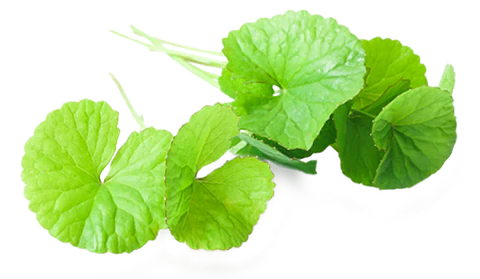
What Does Centella Asiatica Actually Do for Skin?
Centella Asiatica isn’t just one ingredient—it’s a complex blend of active compounds, including:
Madecassoside
Asiaticoside
Madecassic acid
Asiatic acid
Together, they deliver multiple skin benefits.
Key Benefits of Centella Asiatica
1. Calms Inflammation and Redness
Centella is excellent for reducing visible redness, irritation, and inflammation. It’s especially beneficial for rosacea-prone, acne-prone, and post-procedure skin.
2. Strengthens the Skin Barrier
By supporting collagen production and improving skin resilience, Centella helps prevent moisture loss and environmental damage.
3. Speeds Up Skin Healing
Centella promotes wound healing and skin regeneration, making it ideal for:
Post-acne marks
Over-exfoliated skin
Post-treatment recovery
4. Provides Lightweight Hydration
While not a humectant like hyaluronic acid, Centella helps the skin retain moisture more effectively by improving barrier function.
Is Centella Asiatica Overhyped?
Not exactly—but expectations matter.
Centella Asiatica is not:
A strong anti-aging active like retinol
A brightening powerhouse like vitamin C
An exfoliant that resurfaces skin
Instead, it’s a support ingredient that helps skin function better overall. When your skin is calm, hydrated, and protected, other treatments work more effectively.
Centella doesn’t shout—it stabilizes.
Who Needs Centella Asiatica the Most?
Centella Asiatica is especially beneficial if you fall into any of these categories:
1. Sensitive or Reactive Skin
If your skin stings, burns, or turns red easily, Centella can help restore balance and comfort.
2. Acne-Prone Skin
Inflammatory acne benefits from Centella’s calming properties. It can reduce redness and support healing without clogging pores.
3. Compromised Skin Barrier
Signs include:
Centella helps repair and reinforce the barrier.
4. Post-Procedure or Post-Treatment Skin
After chemical peels, laser treatments, microneedling, or aggressive actives, Centella supports faster recovery.
5. Retinol or Acid Users
If you use strong actives, Centella acts as a buffer, reducing irritation while maintaining results.
Centella Asiatica vs Hyaluronic Acid
These two ingredients are often compared—but they serve different roles.
| Ingredient | Main Function |
|---|
| Hyaluronic Acid | Hydration and plumping |
| Centella Asiatica | Calming, repairing, strengthening |
Best practice? Use both. Hydration + barrier repair is a powerful combination.
How to Use Centella Asiatica in Your Routine
Centella is extremely versatile and can be used daily, morning and night.
Where It Fits
Pro Tips
✅ Use it after actives to reduce irritation
✅ Layer it under moisturizer for barrier support
✅ Look for formulas with madecassoside for maximum benefit
✅ Ideal for minimal routines and skin fasting days
Centella works best when it’s allowed to do its quiet, consistent work.
Are There Any Downsides to Centella Asiatica?
Centella is generally very safe, but:
Results are subtle, not dramatic
Some products contain low concentrations
Poor formulations may include alcohol or fragrance that counteract benefits
Always check the ingredient list—especially if you have very sensitive skin.
Final Verdict: Why Centella Asiatica Deserves the Spotlight
Centella Asiatica is everywhere because modern skin needs it.
In a world of overstimulated, over-treated skin, Centella offers balance. It doesn’t promise instant transformation—but it builds healthier skin over time.
If hyaluronic acid hydrates, and retinol transforms, Centella Asiatica protects.
And for many people, that’s exactly what their skin has been missing.